Selling in Australia: The Complete FMCG Market Entry Guide for International Brands
9th February 2026
2025 confirmed that FMCG is moving through structural change, not a temporary cycle.
Across Australia, the UK, and the US, shopper behaviour continues shifting, channels have matured, margins remain tight, and attention is harder to hold than ever. The brands that adapted early and built genuine capability performed. Those that repeated 2024 playbooks without evolution did not. As we continue into 2026, selling in Australia presents both opportunity and complexity for FMCG brands.
Below is our Australia CEO, Demelza Harvey’s consolidated view of what happened in 2025, what 2026 will demand, which sectors showed the strongest resilience, and how international brands can successfully enter or scale in Australia.
Selling In Australia in 2025: A Quick Review
Market Conditions
The Australian FMCG sector moved unevenly through 2025. Rising input costs, labour constraints, and supply chain volatility maintained sustained pressure on margins. Australian consumers prioritised convenience, price, and predictable value above all else. Local manufacturing gained momentum as brands sought stability, shorter lead times, and a stronger Australian-made narrative to resonate with increasingly provenance-conscious shoppers.
Retail media accelerated dramatically throughout the year, with major retailers expanding their networks and refining their targeting capabilities. Roy Morgan data reaffirmed what many suspected: provenance matters deeply to Australian consumers, with Australian-made credentials significantly influencing buyer confidence and purchase decisions.
Where Brands Struggled
Several brands ran their 2024 strategy again without adapting to rising CPMs, shifting shopper behaviour, or evolving channel expectations. The cost of this approach became clear in Q3 and Q4 as conversion rates declined and customer acquisition costs climbed.
Others under-invested in omnichannel readiness and fell behind on marketplace visibility and D2C conversion optimisation. In a market where Amazon Australia continued its aggressive growth trajectory, brands without a strong marketplace presence found themselves invisible to an expanding cohort of digital-first shoppers.
Export focused brands consistently underestimate cross-border complexity: freight volatility, retailer terms, compliance requirements, and localisation demands. The assumption that success in one market could be replicated in Australia without adaptation proved costly for many international entrants.
Where Brands Won
Brands that treated Australia as a genuine test market: refining D2C experiences, tightening user experience, and strengthening marketplace presence, saw a clear lift in both acquisition and retention metrics.
Local production partnerships improved speed, supply stability, and export credibility. Teams that leaned into retail media early, particularly through Cartology (Woolworths) and Coles 360, saw strong returns on investment as these platforms matured their attribution and targeting capabilities.
What 2026 Will Demand from FMCG Brands
Shopper Behaviour
Price sensitivity remains locked in, but expectations continue rising. Australian shoppers want value without compromise: performance, quality, transparency, and trust. The “Proof Over Promise” mindset reflects a preference for simple, evidence-led value propositions backed by verifiable claims.
Discovery continues to fragment across Google, TikTok, Amazon, Instagram, retailer sites, and marketplaces. Brands that show up consistently in all the right places win. Those who rely on a single channel face increasing vulnerability.
Australia’s ageing population shapes wellness, functional, and home-oriented categories, while younger cohorts (especially Gen Z) continue driving impulse discovery via TikTok and Amazon search. Successful brands in 2026 will need strategies that speak to both demographics.
Channel Strategy
Direct-to-consumer remains essential but must genuinely earn its place. Poor user experience, slow fulfilment, or unclear value messaging will not convert. The bar for D2C excellence has risen significantly.
Marketplaces remain the strongest intent environments. Amazon AU grows increasingly competitive, while Amazon US and UK continue to shape global price norms and delivery expectations. TikTok Shop drives strong first-purchase intent in the UK and US, with Australian launch anticipated.
Retail media continues its ascent and becomes a core component of FMCG activation in Australia. Brands without retail media strategies will find themselves at a significant disadvantage. Fulfilment speed and stock reliability transition from differentiators to baseline requirements.
Product and Pricing
Clear value communication matters more than ever. Australian shoppers respond to simple ingredient decks, functional benefits, transparent pricing, and packaging that communicates instantly at the shelf.
Premium FMCG must demonstrate genuine superiority and consistent performance. The premium positioning alone is insufficient: the product must deliver measurably better outcomes. Innovation cycles shorten, especially in better-for-you snacking, functional beverages, personal care, and wellness categories.
Supply Chain and Operational Excellence
Local manufacturing strengthens the commercial case for speed, supply stability, and narrative authenticity. Exporters must prepare for 2026 volatility: currency movement, compliance tightening, evolving retailer requirements, and freight inconsistencies.
Operational readiness: from labelling and demand forecasting to inventory management and channel compliance becomes a true competitive advantage rather than a hygiene factor.
FMCG Sectors That Showed Strength in 2025
Several FMCG segments outperformed despite broader market pressure, driven by lifestyle shifts, functional demand, and channel behaviour evolution:
Our four pillars of growth encompass:
Functional Beverages: Hydration, energy, gut health, and mood-support categories maintained growth. TikTok driven discovery and Amazon led trial made a meaningful impact. Products with clean formulations, simple claims, and clear benefits won consistently.
Better-for-You Snacking: High protein, reduced sugar, and plant forward formats stayed strong. Single-serve convenience packs performed well across convenience retail, marketplaces, and D2C.
Everyday Wellness and Supplements: Sleep, immunity, women’s health, and stress support categories grew steadily. Convenience formats like gummies, sachets, and RTD shots saw fast uptake. Subscription behaviour held strong in repeat-heavy SKUs
Natural Skincare and Personal Care: Provenance, transparency, and cleaner formulations drove trust. Short form content pushed trial, especially on Amazon US/UK marketplaces.
Pet Care: Pet wellness, supplements, and premium treats remained resilient. Owners traded down in some food formats but maintained spend in health and accessories. Marketplaces drove strong trial and repeat purchase.
How Infinity Blue Supported FMCG Growth Through 2025
2025 made it clear: capability, clarity, and channel discipline are what move the needle. Infinity Blue supported FMCG brands in building scale and selling in Australia, and expanding across to the UK and US.
Strengthening the Australian Base
Growth was strongest where marketplace, D2C, and retail media were treated as core pillars rather than experimental channels. Across FMCG categories, we delivered conversion rates near 19% on optimised marketplace portfolios, page-view lift above 20% within the first 30 days, triple digit year-on-year growth in categories underdeveloped on Amazon AU, and strong review velocity with improved rating profiles after operational tightening.
Brands with strong marketplace foundations protected margin and responded faster to volatility as market conditions shifted throughout the year.
Building Visibility and Demand Locally
Our integrated content, PR, and social programs delivered 8.6M+ organic impressions, 250k+ engagements, 100+ content assets across media, influencer, and consumer channels, and 700+ pieces of user-generated content. Consistent, structured storytelling built genuine reach and attention in an increasingly noisy market.
Supporting Export Growth
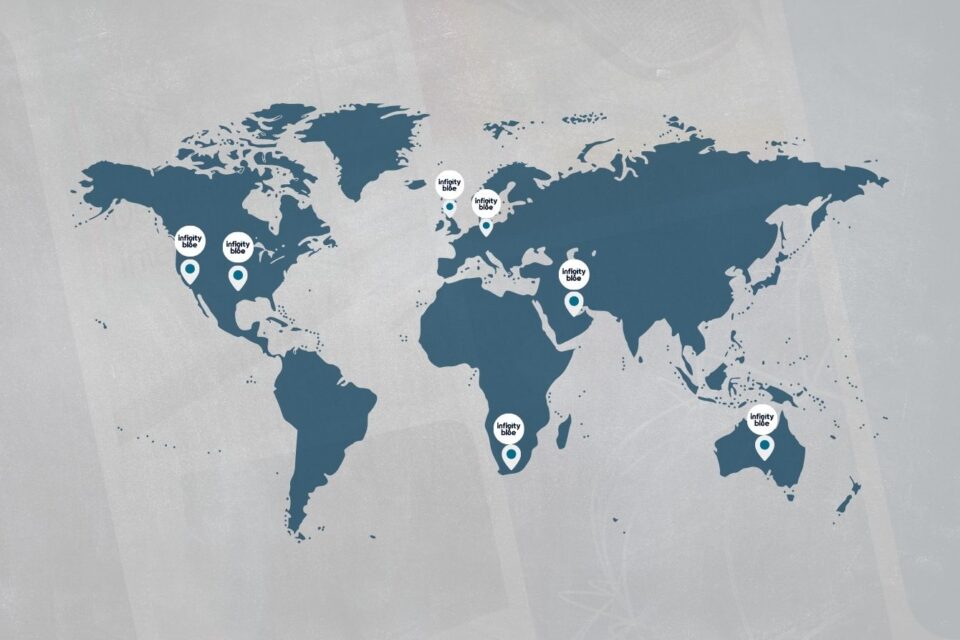
A second group of FMCG brands scaled successfully into the UK and US. We supported this expansion across Amazon, Walmart, TikTok Shop, retail media, and localised D2C ecosystems.
Key outcomes included multi-region onboarding across Amazon UK, Amazon US, Walmart US, and TikTok Shop UK/US with strong early traction, ROAS lifts above 70% when paid frameworks were rebuilt for each market, AOV increases above 50% through clearer value communication and improved landing paths, and strong early performance on TikTok Shop due to efficient acquisition and high first purchase intent in FMCG formats.
Success came from brands that aligned supply chain, localisation, and pricing early. Those who assumed the Australian strategy would translate directly without adaptation slowed down significantly.
Infinity Blue’s FMCG Capabilities for 2026
2026 favours brands with operational strength, channel depth, and commercial discipline. Infinity Blue is structured specifically for this environment.
Our core FMCG capabilities include marketplace depth (execution across Amazon AU, Amazon US & UK, Walmart US, and TikTok Shop UK & US, covering setup, optimisation, logistics, advertising, and channel protection), digital commerce and paid performance (sharper UX, faster stores, conversion focused CRO, and efficient paid media), global expansion capability (compliance, localisation, supply chain alignment, and channel planning across the UK, US, and beyond), content, social, and PR (structured content systems that build brand relevance, trust, and repeat behaviour), and retail integration (support across compliance, merchandising, supply chain, and retail media for key Australian retailers).
Our team operates like former in-house operators because we are. The focus stays on clarity, practicality, and commercial return.
Looking Further Ahead in 2026
2025 reinforced that the Australian market will not reward comfortable plans or outdated structures. The brands that tightened systems, strengthened foundations, and acted on real shopper behaviour grew. Those who did not fell behind.
2026 will carry the same pressures and present the same opportunities. For some brands, deeper growth in Australia is the smartest move. For others, a structured expansion into the UK or US offers the next stage of scale.
Either path requires discipline and capability. With the right structure and support, both paths can be successful.
Contact Infinity Blue to discuss your brand’s opportunity of selling in Australia.

While you’re here: Register for our 2026 webinar series to gain practical insights from global e-commerce experts.